Zhishang Steel Co., Ltd
Integrity · Pragmatic · Perfect · Fast · Assured - international brand
Phone: +86-531-88752665
Welcome to Zhishang Steel Co., Ltd.
TEL: (Gavin) +86-15665898999 | Email : info@zhishangsteel.com

Zhishang Steel Co., Ltd
Integrity · Pragmatic · Perfect · Fast · Assured - international brand
Phone: +86-531-88752665

Email:info@zhishangsteel.com
Tel:+86-13964085002
Whatsapp:+86-13964085002
Phone:+86-531-88752665
Message
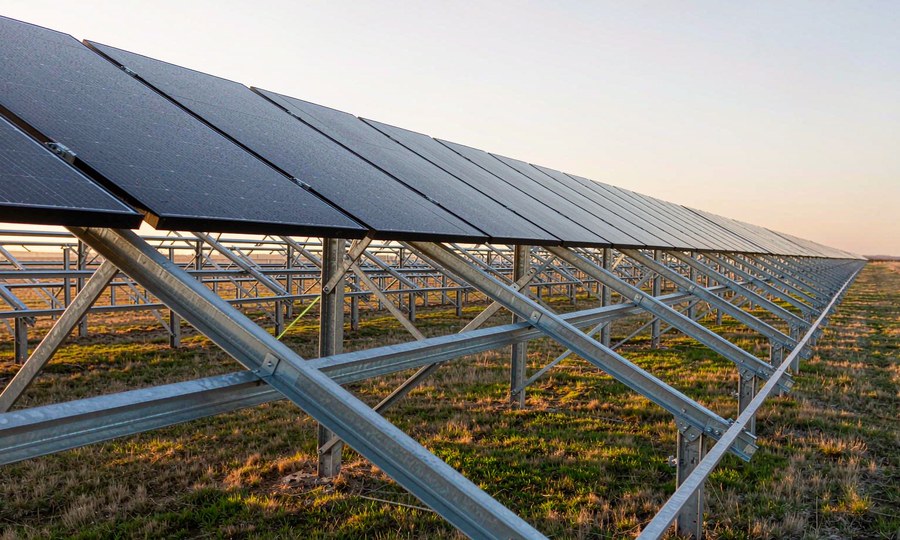
A solar farm is sold on panels, but it is held up by steel. The mounting structure is the part nobody photographs and the part that has to survive twenty-five years of rain, salt and sun without anyone climbing up to fix it. Most PV projects we see are specified with hot-dip galvanized steel, and there is good reason for that. Where the specification usually goes wrong is in the details around the coating: the cut edges, the fasteners, the drainage, and the thickness of the profile itself.
A ground-mount array is a simple structure, repeated a few thousand times. Posts or piles go into the ground. A rail or purlin runs horizontally on top. The panel clamps bolt to the rail. On a pitched roof the same load path runs through hooks, rails and brackets rather than posts. In a tracker, the steel has to do all of that while moving several thousand times a year.
What matters for material choice is that almost none of this steel is protected by a building. It sees rain from every direction, it sits in grass or gravel that stays damp for days, and its lower parts collect soil and mower cuttings. Corrosion in a PV structure usually starts low, at a cut end, or around a bolt, not in the middle of a rail.
Plain hot-dip galvanized steel is the default, and for most inland sites it is the right answer. The zinc layer sacrifices itself so the base steel does not, and a heavy coating gives a long service life with no maintenance schedule. For posts and rails, the useful numbers are the coating mass and the steel grade underneath, not the marketing name.
Zinc-aluminium-magnesium coatings, often written as ZAM, perform noticeably better in aggressive environments and, importantly, protect cut edges better than a plain zinc layer, because the magnesium in the coating slows the corrosion of the exposed steel right at the edge. On coastal projects or sites with heavy fertiliser or animal waste exposure, that edge performance is worth paying for. It is a real difference, not a sales line, though it comes with a price premium that a dry inland site does not need.
Paint over galvanizing, or pre-painted coil, is mostly a colour decision. It adds a second barrier and looks better on visible structures, but it brings a maintenance question that bare galvanizing does not. Once a painted coating is scratched through on site, the scratch is a corrosion site. The one thing to avoid is paint applied on a poorly prepared zinc surface, because that combination fails earlier than either material alone.
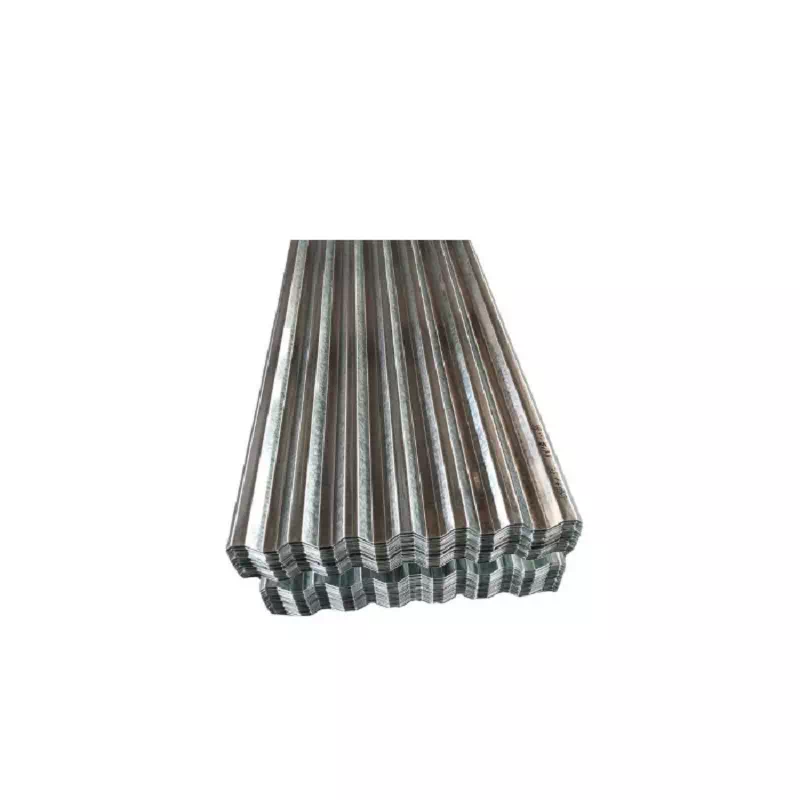
C and Z purlins carry the array load between posts. Z profiles nest better for long runs and butt joints, C profiles are simpler to handle and clad. For rails, a square or rectangular hollow section is the usual choice: it resists torsion, it is easy to clamp to, and it closes the section so water cannot sit inside. A galvanized square steel pipe is what most racking designs call for here, usually in 2mm to 3mm wall.
Thickness is where cost gets cut, and where the mistake hides. Reducing wall thickness from 2.5mm to 1.8mm saves money per metre and looks harmless in a static calculation, but wind uplift is not static. A PV array acts like a wing in gusty conditions, and the loading reverses. On exposed sites, a thinner profile deflects more, fatigues earlier at the bolt holes, and can fail at a clamp rather than in the middle of a span. If a supplier cannot show you the section properties and the wind load case, the price is not comparable to anything.
Four items are worth writing into the purchase order explicitly.
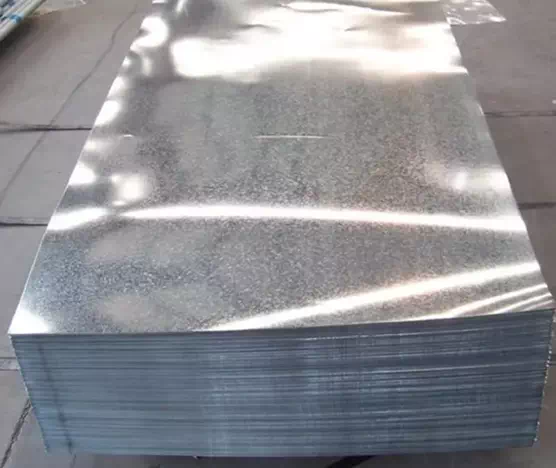
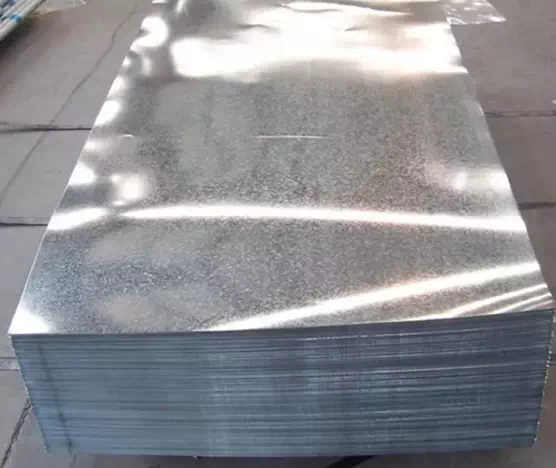
Coating mass, in grams per square metre, with a minimum rather than an average. Average means half the coil is below it. A galvanized steel coil supplied as Z275 is nominally 275 g/m² total, and for a coastal or high-humidity site you would usually want more rather than less.
Edge condition after cutting. Punched holes, sheared ends and welded joints lose their coating. Either specify that cut ends get a zinc-rich repair, or accept that these are the places the structure will fail first, and design inspections around them.
Fastener compatibility. Bolting galvanized steel to stainless steel in a wet environment is a classic mistake: the zinc becomes the anode and disappears around the bolt. Galvanized bolts work well with galvanized steel. Stainless bolts are better paired with isolating washers and sleeves than with bare galvanized plate in direct contact.
Finally, drainage and slope. A rail or box section that holds rainwater for weeks will corrode from the inside out, and you will never see it. Profiles should shed water, and a galvanized steel sheet used as flashing or troughing should be detailed with a fall rather than laid dead flat. Corrosion classifications such as the ISO 12944 categories are a useful starting point for choosing coating weight by site, and if your project sits within a few kilometres of the sea, it is worth checking the actual chloride exposure rather than accepting a generic C3 rating.
None of this is exotic. It is the same set of decisions that go into any outdoor steel structure, applied to a product that is expected to sit in a field for a quarter of a century. Buyers who get the coating weight, the cut edges, the bolts and the drainage right rarely see a maintenance problem. The ones who save on thickness usually find out at the worst possible time, in the middle of a windy week.
Zhishang Steel has always been a pioneer in custom steel and special supplies, and has been recognized for its efforts in enhancing work efficiency and product quality. In addition to ISO9001:2015 certification, we also adhere to strict quality policies and proprietary procedures. If you have any questions, please contact us to provide the best type of product solution for your pre-painted, coil coating metal process, we will closely support after-sales service to ensure that your subsequent problems can be solved in a timely manner, if you have any questions, please send email to info@zhishangsteel.com, we look forward to serving you.

Zhishang Steel, specializing in domestic steel products trade, warehousing, processing and other services. The team has four service teams: Shandong Zhishang Steel Co., LTD., Shandong Zhiyiheng Trading Co., LTD., Tai 'an Zhishang Economic and Trade Co., LTD., Shandong Zhishang Steel Structure Co., LTD. Mainly engaged in steel coil, coated, stee···
▶ Solar Mounting Steel: What Keeps a PV Array Standing for Twenty-Five Years
▶ Container Rain: Why Steel Arrives Wet and What Actually Prevents It
▶ Your 1.0mm Sheet Measured 0.95mm: Thickness Tolerance Without the Panic
▶ Steel Near the Sea: How to Spec Sheet and Coil for Salt Air
▶ Zinc-Aluminium-Magnesium Coated Steel: Where It Wins, Where It Doesn't
▶ Roof Sheet Geometry: Purlin Spacing, Lap Lengths and the Pitch That Decides the Rest
▶ Why Two Batches of the Same RAL Colour Don't Match: Delta E and Colour Tolerance
▶ As-Rolled, Normalized, TMCP or Quenched: What Delivery Condition Changes About Your Steel
▶ Salt Spray Hours: What 500 Hours on a Test Panel Really Says About Coated Steel
▶ Hardness Isn't Strength: How to Read the Mechanical Property Line on a Mill Certificate
Email:info@zhishangsteel.com
Tel:+86-13964085002
Whatsapp:+86-13964085002
Phone:+86-531-88752665
Message 


Copyright © 2022 Zhishang Steel Co., Ltd All Rights Reserved. XML Map