Zhishang Steel Co., Ltd
Integrity · Pragmatic · Perfect · Fast · Assured - international brand
Phone: +86-531-88752665
Welcome to Zhishang Steel Co., Ltd.
TEL: (Gavin) +86-15665898999 | Email : info@zhishangsteel.com

Zhishang Steel Co., Ltd
Integrity · Pragmatic · Perfect · Fast · Assured - international brand
Phone: +86-531-88752665

Email:info@zhishangsteel.com
Tel:+86-13964085002
Whatsapp:+86-13964085002
Phone:+86-531-88752665
Message
Two galvanized coils can have the same thickness, the same width and the same smooth grey surface, and still behave completely differently after three years outdoors. The difference sits in the coating, specifically in how many grams of metal cover each square metre of steel. Most buyers first meet this as a code on a quotation: Z100, Z275, AZ150, G90. It is worth knowing what those codes actually promise, because they are not interchangeable, and they are the easiest thing to get wrong when you are comparing suppliers on price alone.
In the European and most Asian designation systems, the figure after the letter is the total coating mass on both sides of the sheet, in grams per square metre. Z275 therefore means 275 g/m² of zinc spread across the two faces, roughly 137 g on top and 137 g underneath. Z100 is 100 g/m² in total, Z180 is 180, and the pattern continues.
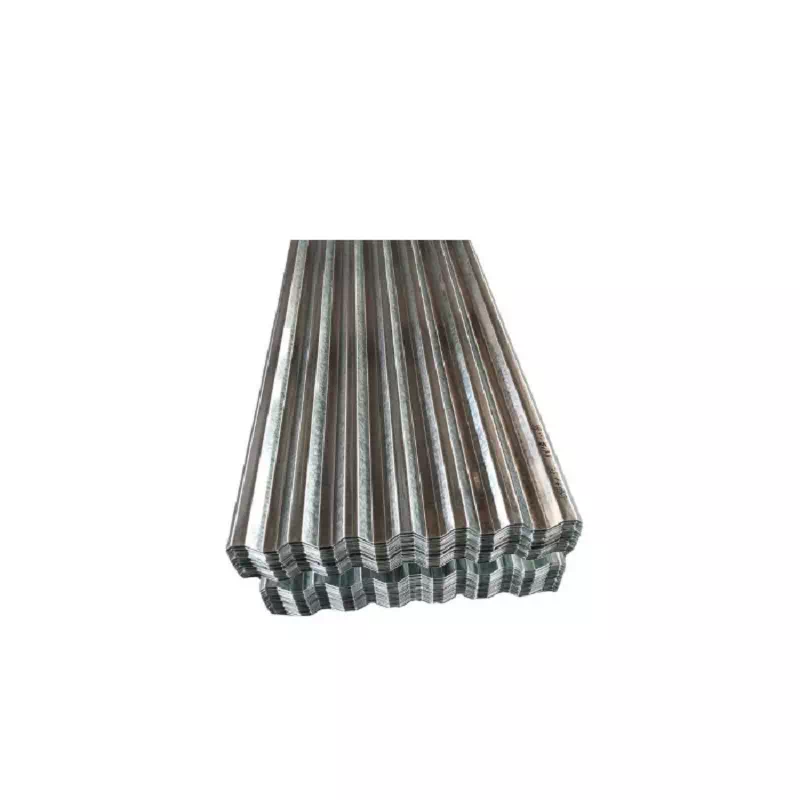
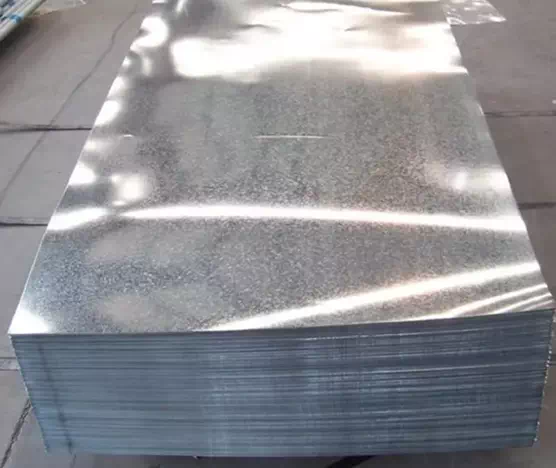
Converting that into a thickness is simple enough once you know zinc weighs about 7.14 g/cm³. A 275 g/m² coating works out near 19 to 20 microns per side, while Z100 lands around 7 microns per side. That is the physical reality behind the code: on a galvanized steel sheet the heavier coating is something you can read with a magnetic gauge, and the lighter one is thin enough to be awkward to measure at all.
The letters matter as much as the digits. Z is plain zinc. AZ is aluminium-zinc, usually the 55% aluminium / 43.4% zinc / 1.6% silicon alloy that the trade knows as Galvalume. ZM is zinc-aluminium-magnesium. Same style of number, different metal underneath it, and the corrosion behaviour is not the same at all.
American drawings and older specifications often use the ASTM system, which states coating weight in ounces per square foot, again with both sides added together. G90 is the familiar one: 0.90 oz/ft², which converts to roughly 275 g/m². G60 comes out near 180 g/m² and G40 around 120 g/m². JIS G3302 uses a third shorthand, Z27, Z25, Z20, where the digits stand for coating mass in units of 10 g/m², so Z27 means 270 g/m².
The practical consequence is that a coil ordered as Z275 and a coil ordered as G90 are the same product, while Z180 and G60 are close but not identical. When a drawing quotes one system and a mill quotes the other, somebody has to do the conversion on paper rather than trusting that the numbers line up.
This is where coating mass stops being a straight quality score. Zinc protects steel in two separate ways: it blocks moisture, and wherever the coating is scratched it sacrifices itself galvanically so the exposed steel next to the scratch stays intact. Aluminium-zinc coatings give up some of that sacrificial protection in exchange for much better resistance to heat and to certain atmospheres. That is why 55% Al-Zn at 150 g/m² can outlast plain zinc at 275 g/m² in a hot, humid, mildly industrial setting, while behaving less generously around cut edges and scratches.
Zinc-aluminium-magnesium shifts the balance again. The magnesium fraction slows corrosion at the cut edge noticeably, and the cut edge is exactly where a light coating on a sheared or profiled sheet is weakest. If your product involves a lot of shearing, punching or roll forming, edge behaviour usually matters more than what happens on the flat face.
So a bare grams-against-grams comparison between two suppliers can mislead. A 150 g/m² Al-Zn coating and a 150 g/m² zinc coating are not equivalents, and neither are two coils where one supplier reports a single-side figure and the other reports a total. Ask which convention a quotation is using before you treat the numbers as comparable. On a thin gauge galvanized steel coil, for example, the difference between a total coating mass and a per-side figure is large enough to change the whole specification.
Three methods turn up in practice. The gravimetric method â weigh a sample, strip the coating off in an inhibited acid, weigh it again â is the referee test and the one written into most standards. Magnetic thickness gauges give a fast reading in microns, either on the line or in the warehouse, and they are good enough for routine checks when they are calibrated against the correct substrate. Handheld XRF units read composition rather than thickness and are useful for confirming which alloy you actually received.
Standards also describe where to measure. A triple-spot test takes readings at three positions across the sheet and averages them, while single-spot minimums are usually a separate and lower figure. That distinction matters whenever a specification reads "275 g/m² average, 235 g/m² minimum." If a purchase order names only one number, the acceptance criteria have been left open, and disputes later have nowhere to land.
The place the material will live should drive the choice more than the price does. Indoor panels in a dry warehouse rarely need more than a light coating. Rural and suburban roofing sits comfortably in the middle range. Coastal sites, fertilizer plants, animal sheds, and anywhere with chlorides or ammonia in the air want the heavier end of the table, and often a full coating system rather than a bare metallic layer.
Prepainted material adds a second layer to the argument. On a prepainted color coated coil, the paint film carries most of the weathering duty and the metallic coating underneath is the fallback once the paint is breached. That is why a prepainted product with a fairly modest coating can still perform well on a façade, while the same coating weight on an unpainted corrugated roofing sheet in a coastal town may not last as long as the buyer hopes.
The honest version of all this is that coating weight is a number worth understanding before it appears on a quotation, not because bigger is always better, but because the wrong number costs money in both directions. Order it too thin and you pay again in replacements. Order it too thick and you pay for metal the environment never asked for.
Zhishang Steel has always been a pioneer in custom steel and special supplies, and has been recognized for its efforts in enhancing work efficiency and product quality. In addition to ISO9001:2015 certification, we also adhere to strict quality policies and proprietary procedures. If you have any questions, please contact us to provide the best type of product solution for your pre-painted, coil coating metal process, we will closely support after-sales service to ensure that your subsequent problems can be solved in a timely manner, if you have any questions, please send email to info@zhishangsteel.com, we look forward to serving you.

Zhishang Steel, specializing in domestic steel products trade, warehousing, processing and other services. The team has four service teams: Shandong Zhishang Steel Co., LTD., Shandong Zhiyiheng Trading Co., LTD., Tai 'an Zhishang Economic and Trade Co., LTD., Shandong Zhishang Steel Structure Co., LTD. Mainly engaged in steel coil, coated, stee···
▶ Zinc Coating Weight, Explained: What Z100, Z275 and AZ150 Actually Mean
▶ Weathering Steel: Why the Rust on Purpose Actually Protects
▶ Spangle, Skin-Pass and Passivation: Reading the Surface of a Galvanized Steel Coil
▶ Printed and Patterned Color Coated Coil: How Wood Grain and Brick Patterns Get Onto Steel
▶ Hot Rolled or Cold Rolled: Choosing the Right Route for Carbon Steel Coil
▶ Zinc-Aluminum-Magnesium Coated Steel: What Buyers Need to Know Before Their Next Order
▶ Introduction to Stainless Steel Angle Steel Structure and Identification Methods
Email:info@zhishangsteel.com
Tel:+86-13964085002
Whatsapp:+86-13964085002
Phone:+86-531-88752665
Message 


Copyright © 2022 Zhishang Steel Co., Ltd All Rights Reserved. XML Map