Zhishang Steel Co., Ltd
Integrity · Pragmatic · Perfect · Fast · Assured - international brand
Phone: +86-531-88752665
Welcome to Zhishang Steel Co., Ltd.
TEL: (Gavin) +86-15665898999 | Email : info@zhishangsteel.com

Zhishang Steel Co., Ltd
Integrity · Pragmatic · Perfect · Fast · Assured - international brand
Phone: +86-531-88752665

Email:info@zhishangsteel.com
Tel:+86-13964085002
Whatsapp:+86-13964085002
Phone:+86-531-88752665
Message
Sooner or later, on some order, something arrives that isn't quite right. Maybe one bundle came off the truck with a dented corner. Maybe a few sheets show water staining, or the material doesn't feed through the customer's press the way it should. When that call comes in, nobody on our side is surprised — steel travels a long way to reach most buyers, and a claim is simply part of doing this business properly. What matters is how the next two weeks go.
The first thing we ask for is pictures, and we're specific about it. Wide shots of the full bundle, close shots of the problem area, a photo of the label on the bundle, and if there's damage, a picture of how the goods were packed inside the container. Phone photos are fine. We also ask when the container was opened and how long the material sat at the port — it sounds fussy, but condensation damage and transit damage need different fixes, and the timing tells us which one we're looking at.
What we don't do, and what I'd caution any buyer against, is start with blame. Half the claims that come in turn out to be a misunderstanding of the spec, and the other half split between genuine mill problems and handling somewhere along the way. Nobody wins anything by arguing first.
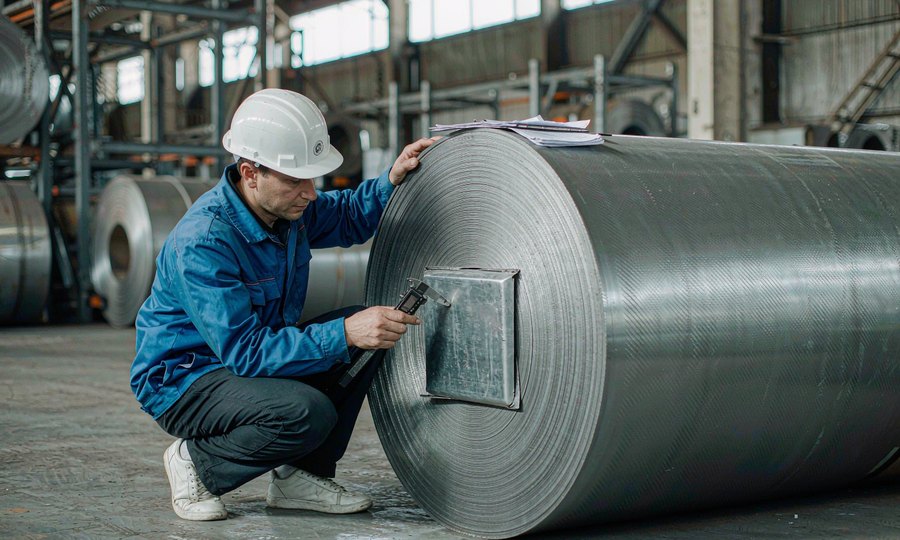
While we wait for the customer's photos, we pull the file. The mill certificate for that heat, the processing records if the coil was slit or cut to length for the order, the inspection photos we took before loading, and the loading plan. If we shipped a galvanized steel coil and the complaint is about zinc flaking at the edges, we want to know exactly which production lot it came from before we say a single word about compensation.
That paper trail usually settles the first question quickly: did it leave here right? If our pre-loading photos show clean material and the mill certificate matches the order, the investigation moves down the chain — container condition, stuffing method, the sea legs, and finally what happened at the receiving dock. That's not us looking for an excuse. It's us looking for the true cause, because the fix depends entirely on it.
After enough years you notice the patterns. Surface rust from condensation is the most common, and it usually traces back to a container that sat at a humid port or a slow customs clearance rather than anything the mill did. Transit damage — strapping marks, crumpled packaging, bent corners — points at handling. Then there are the harder ones: a drawing that calls out a thickness nobody confirmed, a material grade that got mixed up between orders, or a buyer who received the right product for the wrong application. A corrugated roofing sheet ordered in the wrong profile, for instance, isn't a quality problem no matter how good the steel is.
The genuinely tricky ones are performance complaints. The material meets the certificate, but the customer's process doesn't like it — a furnace that runs hot, a press setup tuned for a different temper. Those conversations take longer, because both sides are usually partly right. We still take them seriously; we've replaced material that was, strictly speaking, within spec, because the customer's line couldn't use it and keeping the relationship mattered more than the argument.
Once the cause is clear, the resolution is usually one of four things: replacement material on the next shipment, a credit against the balance, reprocessing if it's something we can fix on our line, or a price adjustment for the affected portion. For a claim on hot rolled Q235 coil where the steel itself tested fine but a few turns of the outer wrap got scuffed, the answer might be as small as a partial credit. For material that genuinely failed, replacement is not a negotiation — it ships with the next available slot.
What we ask in return is a bit of discipline on the customer's side. Keep the damaged material and its packaging until the claim closes. Don't process the affected portion and then report it. Send the claim within a reasonable window after arrival — most contracts say something like 30 days, and we hold ourselves to the same window if the mill needs to be brought in.
The honest answer is that a well-handled claim builds more trust than an order where nothing goes wrong. Buyers can get galvanized steel coil or PPGI color coated coil from twenty suppliers at nearly the same price. What they can't get everywhere is a supplier who answers the claim email the same day, sends the mill certificate without being asked twice, and puts the replacement on the water before the paperwork is even closed.
That's the standard we hold ourselves to. Not because claims are good — they aren't — but because the way a company behaves when something goes wrong tells you most of what you need to know about it.
Zhishang Steel has always been a pioneer in custom steel and special supplies, and has been recognized for its efforts in enhancing work efficiency and product quality. In addition to ISO9001:2015 certification, we also adhere to strict quality policies and proprietary procedures. If you have any questions, please contact us to provide the best type of product solution for your pre-painted, coil coating metal process, we will closely support after-sales service to ensure that your subsequent problems can be solved in a timely manner, if you have any questions, please send email to info@zhishangsteel.com, we look forward to serving you.

Zhishang Steel, specializing in domestic steel products trade, warehousing, processing and other services. The team has four service teams: Shandong Zhishang Steel Co., LTD., Shandong Zhiyiheng Trading Co., LTD., Tai 'an Zhishang Economic and Trade Co., LTD., Shandong Zhishang Steel Structure Co., LTD. Mainly engaged in steel coil, coated, stee···
▶ When a Shipment Isn't Right: How We Work Through a Steel Claim
▶ Packing Steel for the Ocean: What Actually Happens Before Your Coil Enters the Container
▶ Your Coil Doesn't Have to Be 1250mm: Notes From Our Slitting and Cut-to-Length Line
▶ Mill Test Certificates: What's Actually on the Paperwork We Ship With Your Steel
▶ Stock or Mill Run? How We Decide What Sits on Our Floor
▶ What We Ask Before We Quote: The Details That Decide Your Steel Price
▶ One Container, Several Products: How We Organize a Mixed Steel Export Order
▶ How We Check Every Coil Before It Leaves the Plant
▶ The King of Colored Elastomers - High-performance Copper-based Alloy Beryllium Bronze
Email:info@zhishangsteel.com
Tel:+86-13964085002
Whatsapp:+86-13964085002
Phone:+86-531-88752665
Message 



Copyright © 2022 Zhishang Steel Co., Ltd All Rights Reserved. XML Map
